Podría interesarte
PRENSA IBERO
PRENSA IBERO
• The scientist argues that artificial intelligence is also revealing longstanding failures in our institutions and human relationships • Universidad Iberoamericana and Notre Dame explored joint research opportunities addressing poverty, health, migration, and education, with social innovation as a shared goal
AUTOR
Jefa de Prensa de la Dirección de Comunicación Institucional · Contacto de prensa: mariana.dominguez@ibero.mx
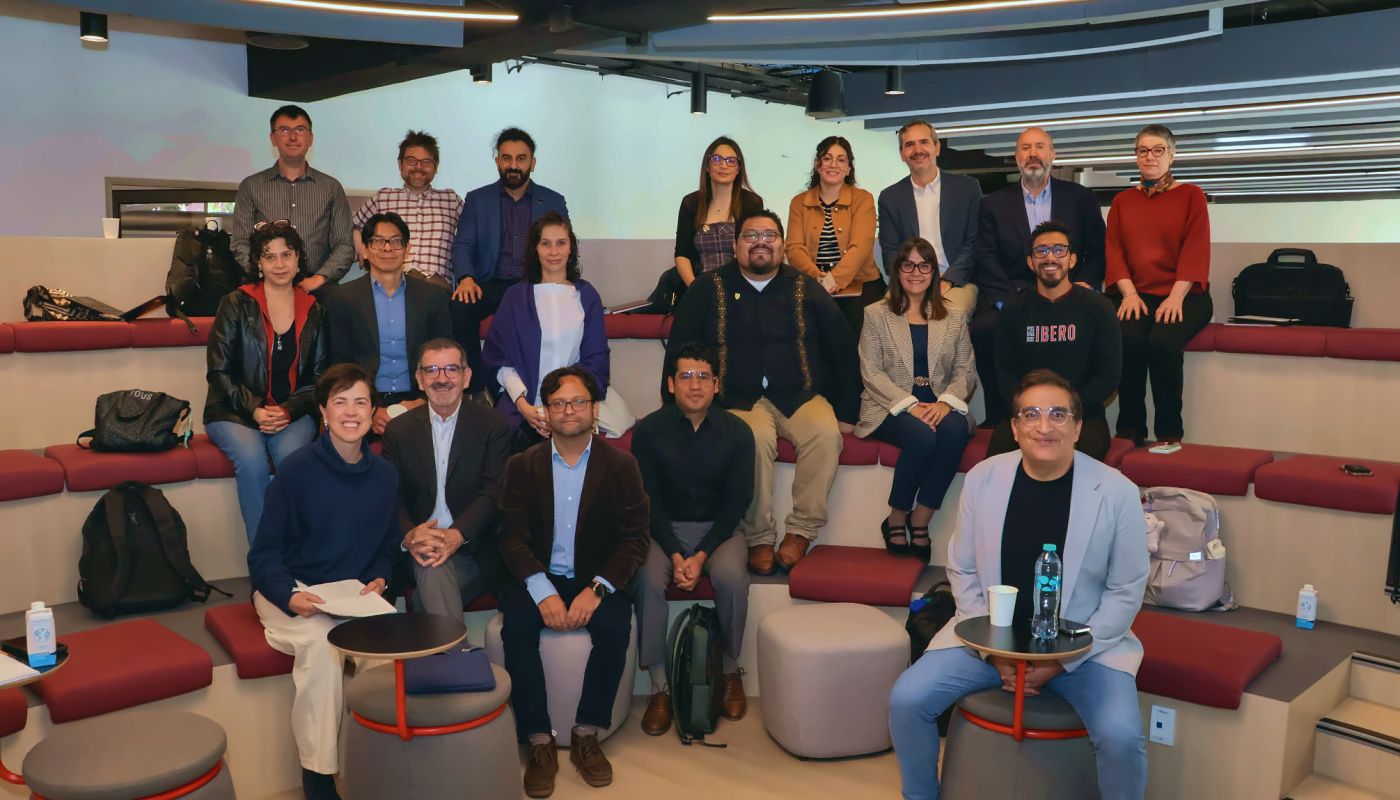
Does the artificial intelligence we use today truly understand Mexico's culture and needs? For Nitesh Chawla, a scientist at the University of Notre Dame, this is a question the country should be asking as technologies developed in different social and cultural contexts become increasingly widespread. It is not enough for an AI model to communicate in Spanish. We must also consider where its training data comes from and which communities may have been left out.
Chawla is the founding director of the Lucy Family Institute for Data & Society and currently leads Notre Dame's Data, AI and Computing Initiative. He also launched RISE AI (Responsible, Inclusive, Safe and Empowering AI), an initiative aimed at promoting AI systems that are responsible, inclusive, safe, and capable of empowering people.

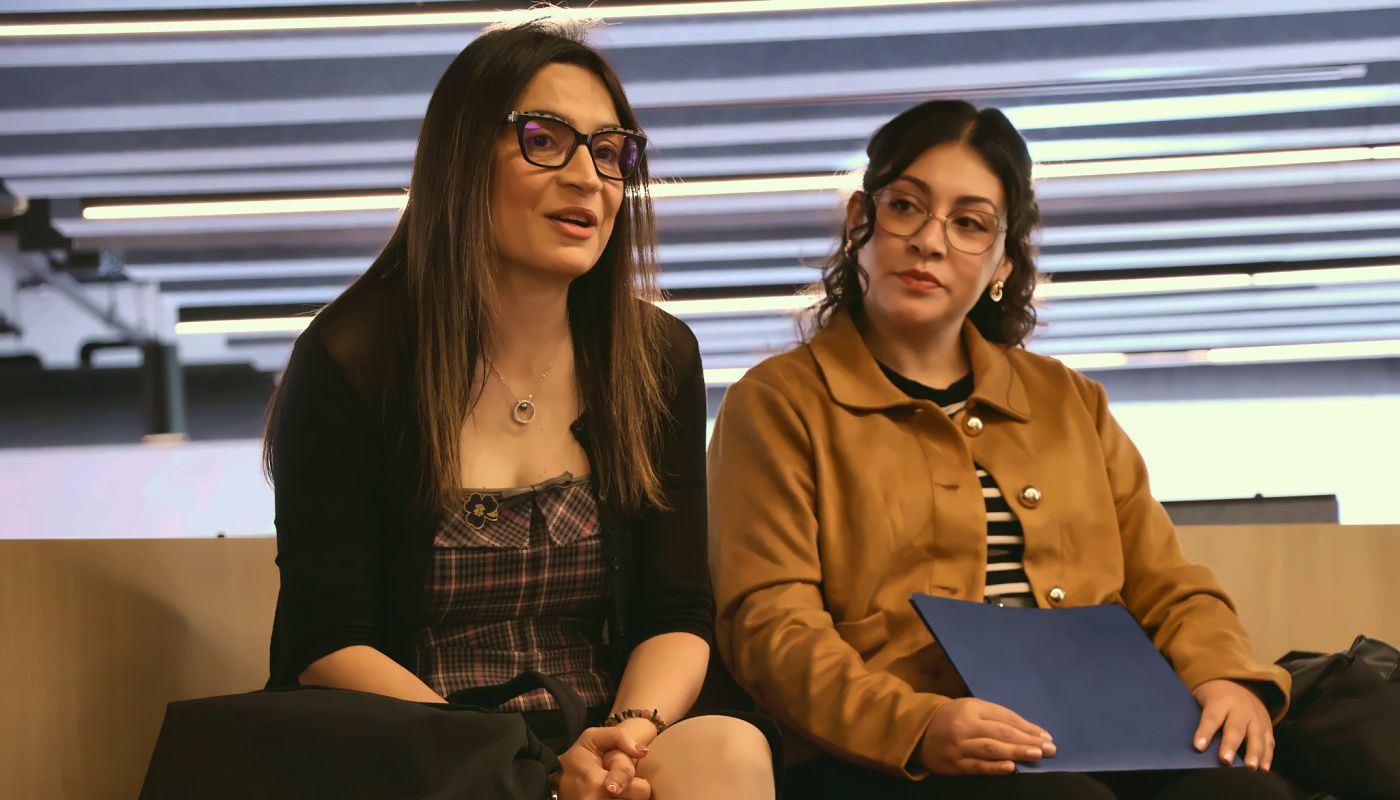
On November 3 and 4, Chawla visited Universidad Iberoamericana Mexico City (IBERO) with a delegation from the Lucy Family Institute. Researchers from both institutions participated in a workshop led by IBERO's Division of Social Studies, headed by Dr. Graciela Teruel. The meeting aimed to identify opportunities for joint research in geospatial AI and poverty; food systems and health; violence, migration, and responsible AI; and AI in education.
During the opening ceremony, Dr. Alejandro Anaya, IBERO's Academic Vice Rector, recalled that the relationship with Notre Dame has grown stronger over the years through institutional visits, meetings among researchers, and collaborations in various subjects, including artificial intelligence.
Anaya emphasized Ibero’s interest in connecting its technological and engineering capabilities with the social sciences. "We are launching an innovation hub initiative focused on social innovation. Technology might be part of it, but the ultimate goal is social innovation," he said.
Dr. Graciela Teruel, Director of the Division of Social Studies, then introduced the working sessions, which brought together researchers from both institutions to explore projects addressing poverty, urban well-being, health, migration, and artificial intelligence in education.
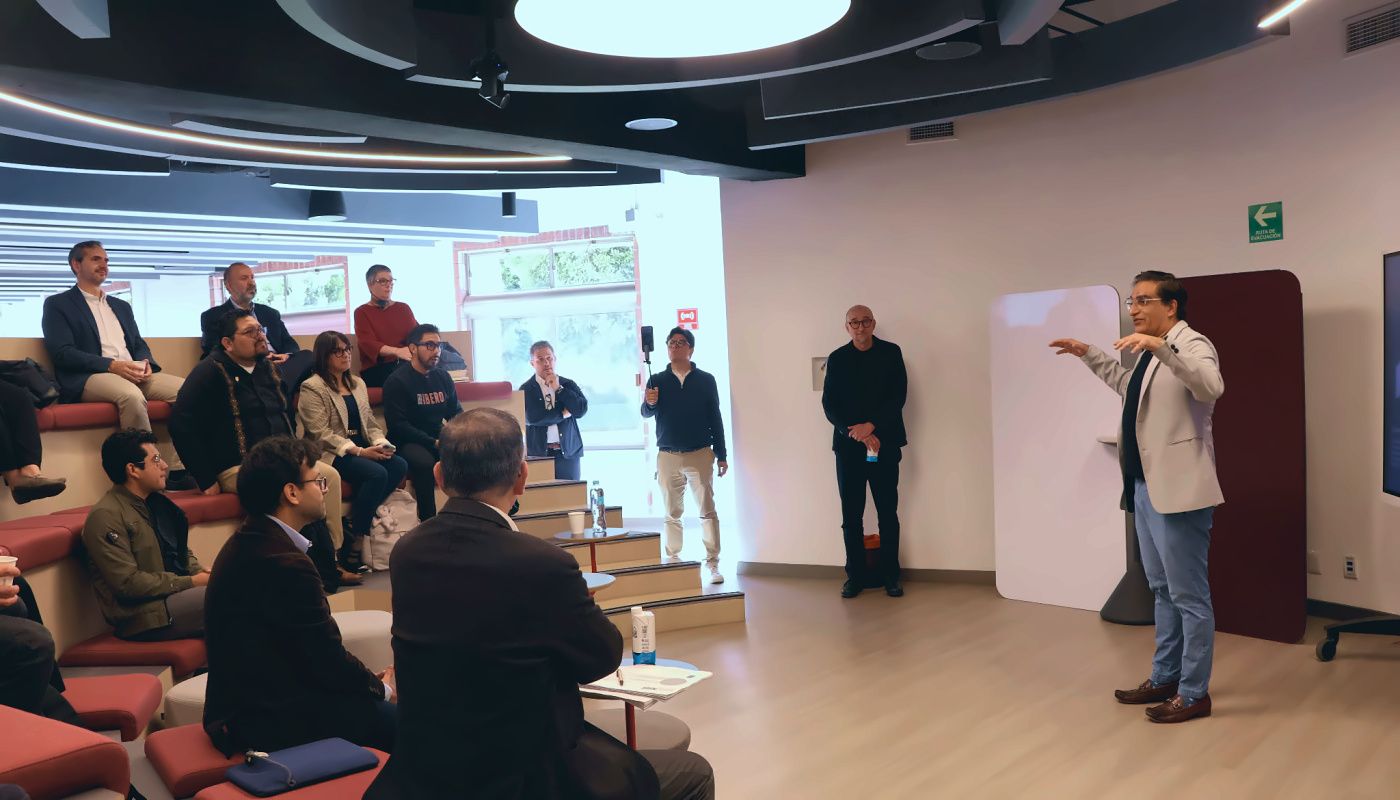
The meeting was jointly organized by the Division of Social Studies and the Office of Internationalization, headed by Dr. Luis Kauachi, as part of ongoing efforts to strengthen the strategic relationship between IBERO and Notre Dame.
This collaboration embodies IBERO's Jesuit educational tradition, challenging us to put knowledge at the service of social justice and discerning not only which technological advances are possible, but also which ones genuinely contribute to human well-being, particularly for those facing the greatest inequalities.
The academic gathering highlighted several concrete research opportunities. Dr. Alan Hernández-Solano, from IBERO's Research Institute for Development with Equity (EQUIDE), presented a research initiative combining satellite imagery, climate data, and machine learning to estimate poverty levels. The methodology described in the workshop program analyzed all 2,469 municipalities in Mexico. Dr. Mario Buenrostro and Dr. Alejandro Tapia presented a proposal to investigate how the use of AI affects university students' cognitive effort, stress, and emotional regulation.
Meanwhile, Dr. Luis Medina Gual, IBERO's Director of Educational Innovation, proposed a binational study examining students' ability to use AI critically and responsibly. The proposal builds on previous research at IBERO, including a study involving 353 university students in which only 2.6% achieved an outstanding level of sociocritical AI literacy.
The agenda also included research by Sonia Hernández Cordero, from EQUIDE, on dietary recommendations generated by large language models and the cultural or scientific perspectives these systems often overlook. Researchers from International Studies highlighted the need to consolidate information on violence and migration to improve public policy analysis. The gathering opened opportunities for Notre Dame researchers specializing in health, geospatial analysis, and data science to connect with these questions.
The workshop was designed to produce several white papers, identify research leads from each institution, and establish a 12-month collaboration roadmap. Opportunities for students were also discussed, including academic exchanges, research stays, jointly courses, and collaborative capstone projects.
During his visit, Chawla praised the inclusive and collaborative spirit he has found at IBERO and emphasized that the research agenda should emerge from the shared interests of both institutions rather than the priorities of either university alone.
In an interview with Prensa IBERO, Chawla discussed the societal challenges posed by artificial intelligence and his expectations for the partnership.
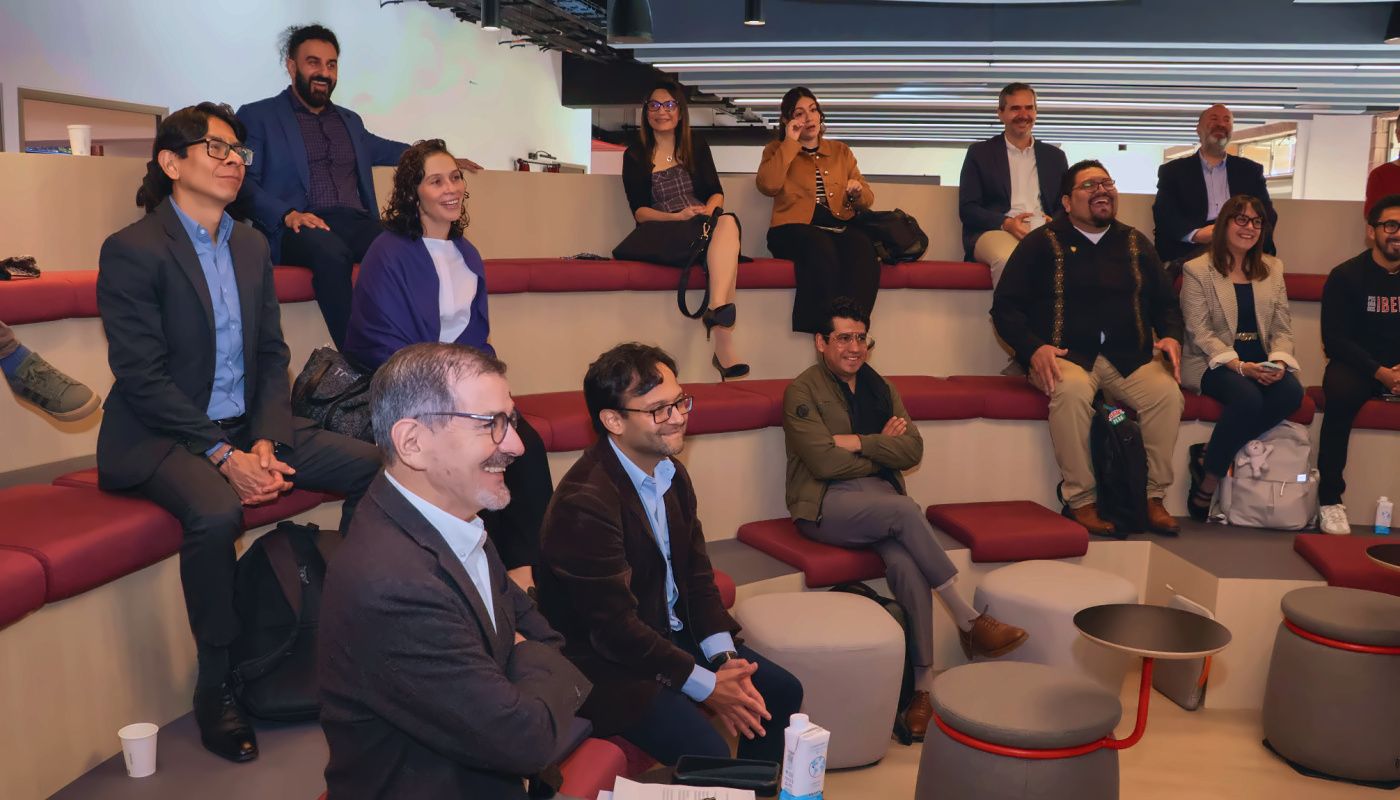
The field is moving very fast. There are benefits and emerging risks, as we have seen historically with other technologies and innovations. From a Mexican standpoint, I would ask: Are AI technologies being used and deployed inclusive of the Mexican context?
That is why we developed the RISE AI framework, where the "I" stands for inclusivity. Are these technologies inclusive of all populations and all voices? Where does the training data come from? Where are the gaps?
These technologies could increase access to services that were previously unavailable to certain communities. But even as we do that, we need to ensure they capture the language, culture, and unique characteristics of Mexico, rather than simply using these technologies as translation tools.
How do we customize large language models for local contexts? To me, these are some of the real challenges we need to address.
We are facing a complex dynamic. AI has benefits, but it also comes with potential harms and risks. At the same time, AI is acting as a diagnostic tool, showing us where institutions may be failing individuals and where people may be failing one another.
If I am turning to AI for education, mental health support, communication, or companionship, is it because something was missing in my life before? And what would happen if AI were taken away? Who would step in to meet those needs?
We need to ask whether people are using these tools simply for convenience or to fill real gaps. We cannot simply blame technology for the harm. Technology could also be exposing harms that already existed. The important question is what we are doing to overcome those fractures in society.
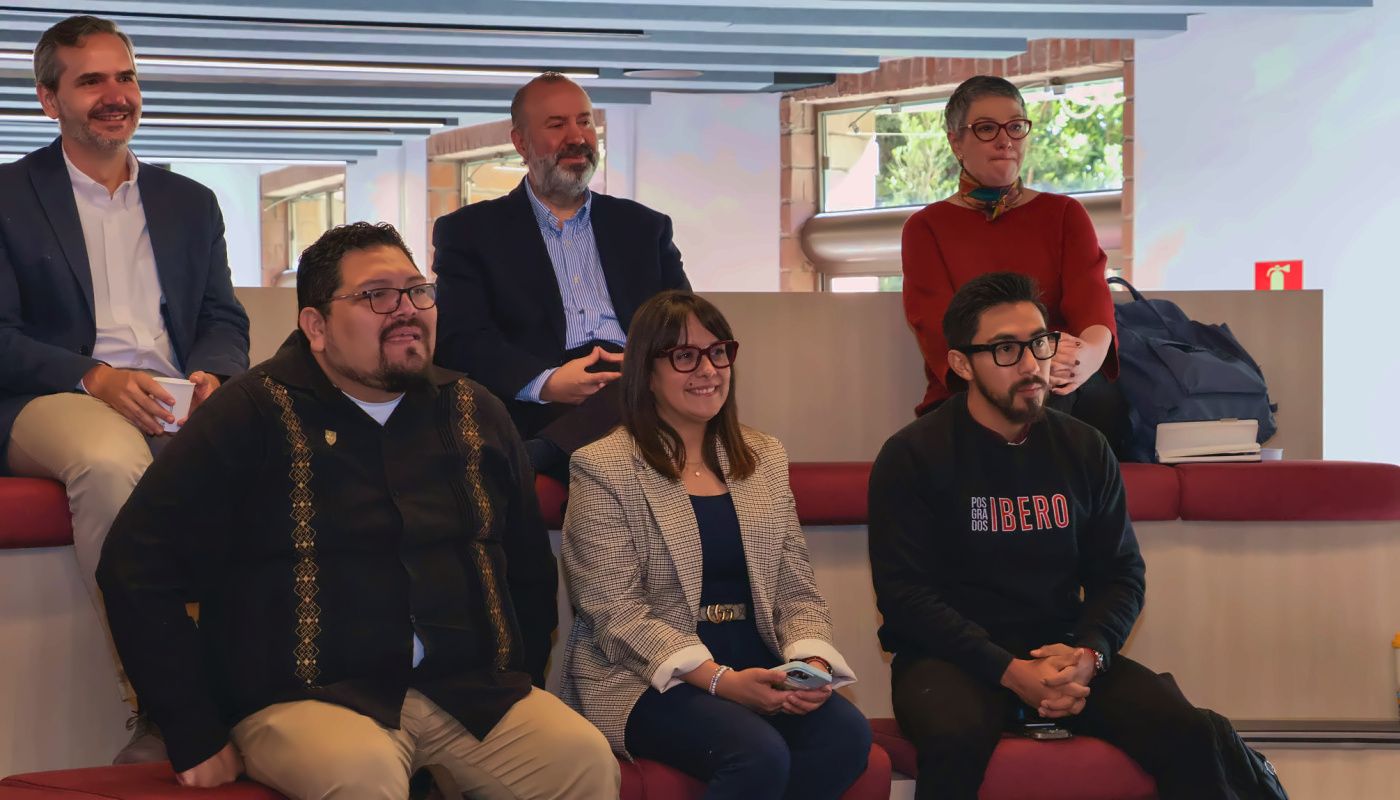
We share very similar values, and our missions are closely aligned. At Notre Dame, we think about being a force for good: how our research and education can advance the common good and create societal impact. This partnership with IBERO is a clear example of that.
It is about bringing together data, artificial intelligence, and the social sciences around important questions: How can we expand access to education? How can we improve cities and healthcare? How can we tackle poverty?
We need to start with the questions that matter most to society and then develop the fundamental knowledge, scientific research, and discoveries needed to address them.
I am truly grateful and delighted to be on this journey of collaboration with IBERO.
I see two major areas of opportunity. The first is responsible AI. In May, I participated alongside colleagues from the Lucy Family Institute in IBERO's summer school on responsible artificial intelligence. That experience opened the door to further conversations and opportunities.
The second is connecting our research with the social sciences. Our previous collaboration was more closely related to engineering, computing, and data science. Now we want to explore urban and environmental well-being, food systems, health, violence, migration, and education together.
The key is identifying where our research questions and capabilities intersect.
As Catholic universities, we also share a responsibility to prepare our students for this new world of artificial intelligence.
We share very similar values, and our missions are closely aligned. At Notre Dame, we think about being a force for good: how our research and education can advance the common good and create societal impact. This partnership with IBERO is a clear example of that.
It is about bringing together data, artificial intelligence, and the social sciences around important questions: How can we expand access to education? How can we improve cities and healthcare? How can we tackle poverty?
We need to start with the questions that matter most to society and then develop the fundamental knowledge, scientific research, and discoveries needed to address them.
I am truly grateful and delighted to be on this journey of collaboration with IBERO.
I see two major areas of opportunity. The first is responsible AI. In May, I participated alongside colleagues from the Lucy Family Institute in IBERO's summer school on responsible artificial intelligence. That experience opened the door to further conversations and opportunities.
The second is connecting our research with the social sciences. Our previous collaboration was more closely related to engineering, computing, and data science. Now we want to explore urban and environmental well-being, food systems, health, violence, migration, and education together.
The key is identifying where our research questions and capabilities intersect.
As Catholic universities, we also share a responsibility to prepare our students for this new world of artificial intelligence.
Las opiniones y puntos de vista vertidos en este comunicado son de exclusiva responsabilidad de quienes los emiten y no representan necesariamente el pensamiento ni la línea editorial de la Universidad Iberoamericana.
Para mayor información sobre este comunicado llamar a los teléfonos: (55) 59 50 40 00, Ext. 7594, 7759 Comunicación Institucional de la Universidad Iberoamericana Ciudad de México Prol. Paseo de la Reforma 880, edificio F, 1er piso, Col. Lomas de Santa Fe, C.P. 01219